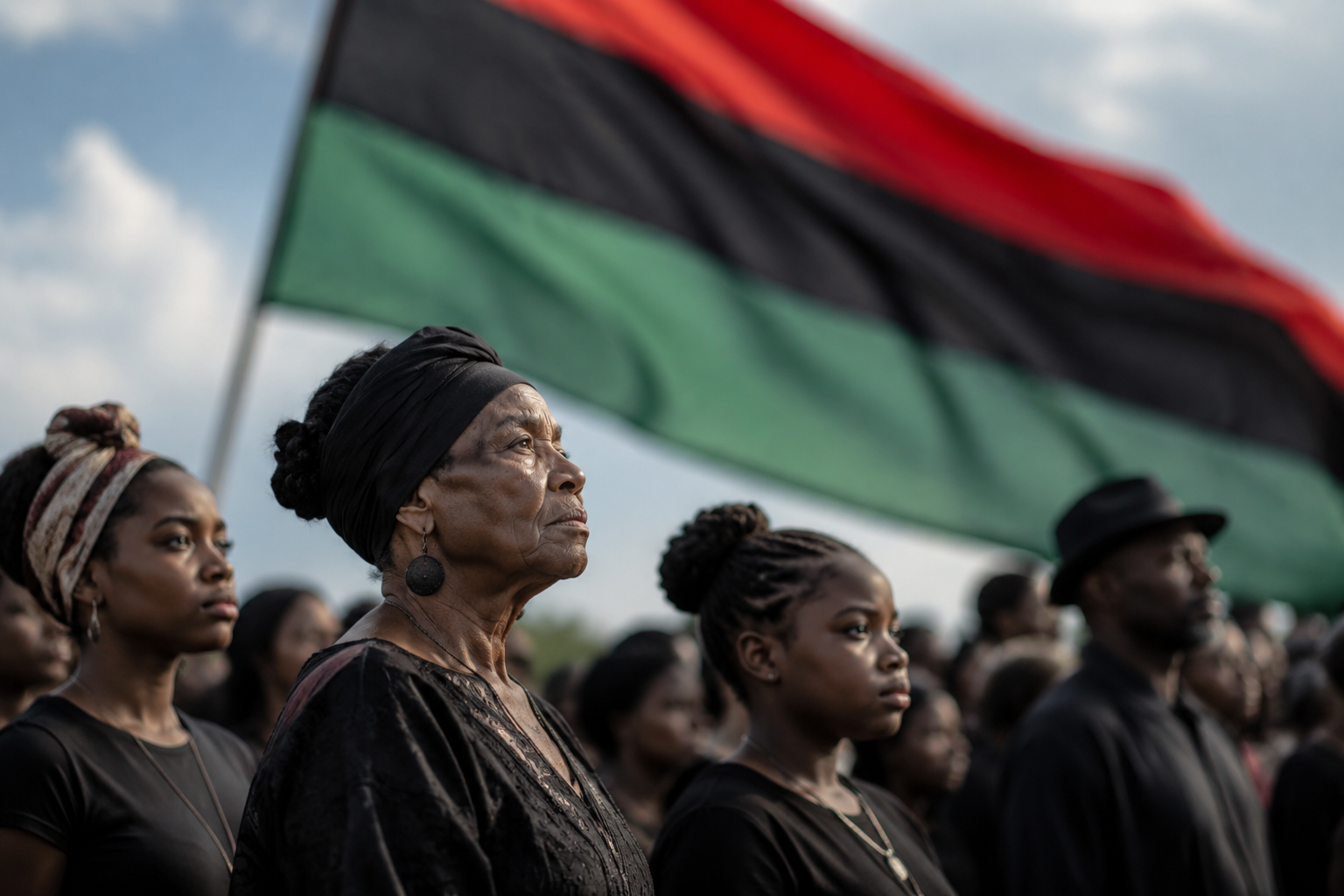
Each June 19, communities across the United States celebrate Juneteenth, a holiday commemorating the end of slavery. In 2021 it became the newest federal holiday, but its roots stretch back more than a century and a half.
The Origin
The Emancipation Proclamation took effect on January 1, 1863, declaring enslaved people in Confederate states to be free. But enforcement depended on the advance of Union troops, and word traveled slowly. It was not until June 19, 1865 — more than two years later — that Union General Gordon Granger arrived in Galveston, Texas, and announced that all enslaved people were free. That day became known as “Juneteenth,” a blend of “June” and “nineteenth.”
How It Grew
Formerly enslaved people in Texas began marking the anniversary the very next year with prayer, music, food and community gatherings. As Black Americans moved across the country during the Great Migration, they carried the tradition with them, and Juneteenth celebrations spread well beyond Texas.
Becoming a Federal Holiday
For generations, Juneteenth was observed primarily within African American communities and recognized by individual states. Texas made it a state holiday in 1980, and other states followed. In June 2021, it was signed into law as a federal holiday, formally recognizing its national significance.
How It Is Celebrated
- Cookouts and community festivals bring families and neighborhoods together.
- Red foods and drinks, symbolizing resilience, are a tradition at many gatherings.
- Music, parades and educational events honor history and culture.
Why It Matters
Juneteenth is both a celebration and a reflection — a moment to mark how far the nation has come and to remember the long, unfinished work of freedom and equality. As the holiday gains wider recognition, it offers all Americans an opportunity to learn a fuller version of the country’s history.