Summer is peak travel season in the United States, which means the most famous destinations are also the most crowded and expensive. The good news: with a little strategy, you can enjoy great weather, smaller crowds and better value by choosing where — and when — to go.
Head for the High Country
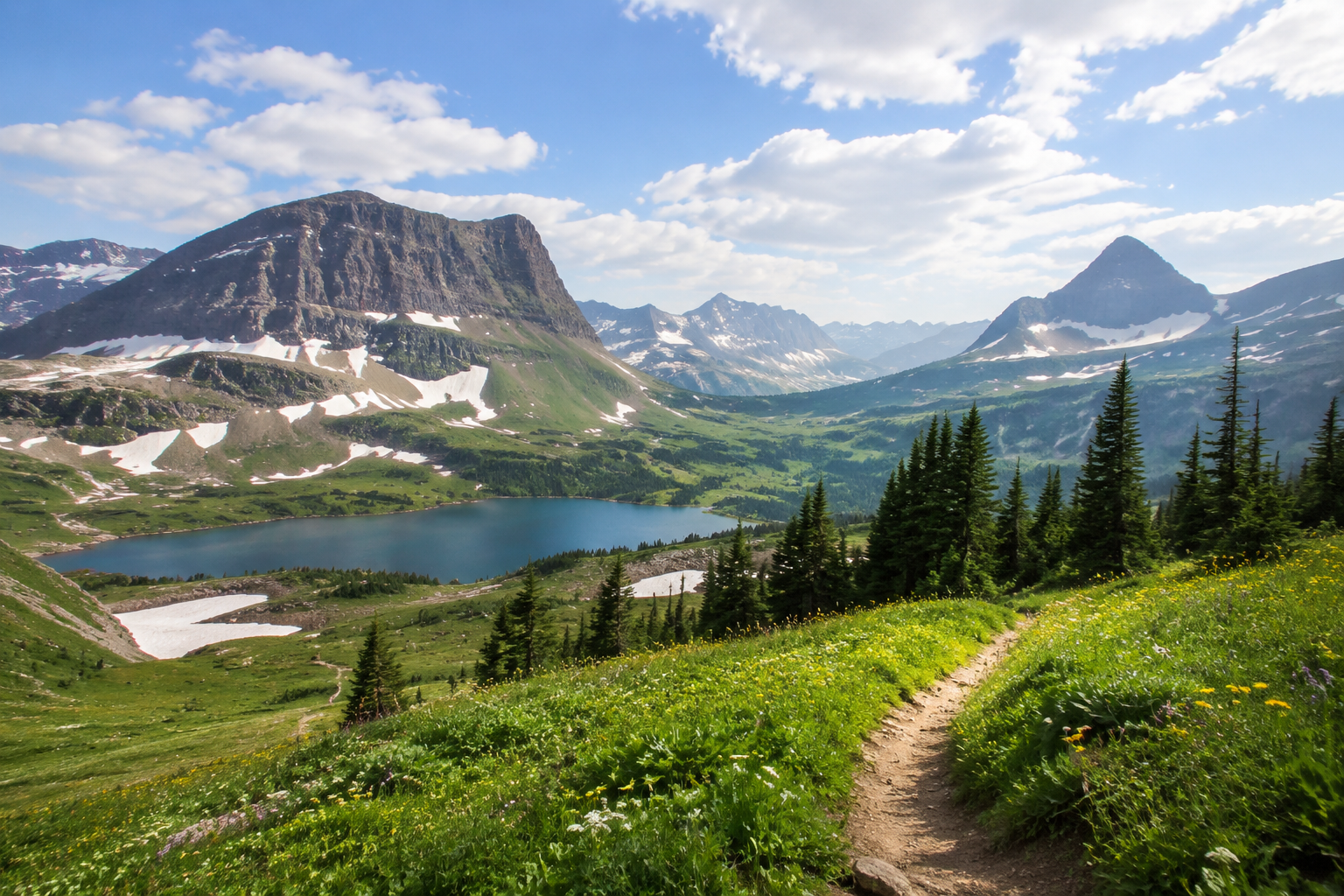
When the lowlands bake, the mountains stay pleasant. Towns in the Rockies, the Sierra and the Appalachians offer cool mornings, alpine hikes and starry nights. Consider the high country of Colorado, the Tetons in Wyoming, or the Blue Ridge of North Carolina and Virginia. Elevation is nature’s air conditioning.
Choose Underrated Coastlines
Everyone flocks to the same handful of beaches. Trade them for quieter alternatives: the Oregon coast, the Great Lakes shoreline of Michigan, the beaches of the Gulf Coast in Alabama and Mississippi, or the rugged coast of Maine. You will often find cooler water, fewer people and lower prices.
Time It Right
- Go midweek. Crowds and prices peak on weekends.
- Start early. Popular trailheads and parking lots fill by mid-morning in summer.
- Aim for shoulder weeks. Early June and late August are quieter than the July 4th peak.
Mind the Reservations
Many popular national parks now use timed-entry or vehicle reservation systems during peak season, and campgrounds book out months ahead. Check the official park website before you go, and have a backup plan in case your first choice is full.
Stay Safe in the Heat
Summer travel in much of the country means real heat. Carry plenty of water, plan strenuous activities for early morning, watch for afternoon thunderstorms in the mountains, and never underestimate desert conditions in the Southwest.
The best summer trip is often not the most famous one. Pick a place a little higher, a little quieter or a little off the beaten path, and you will likely enjoy it more — for less.