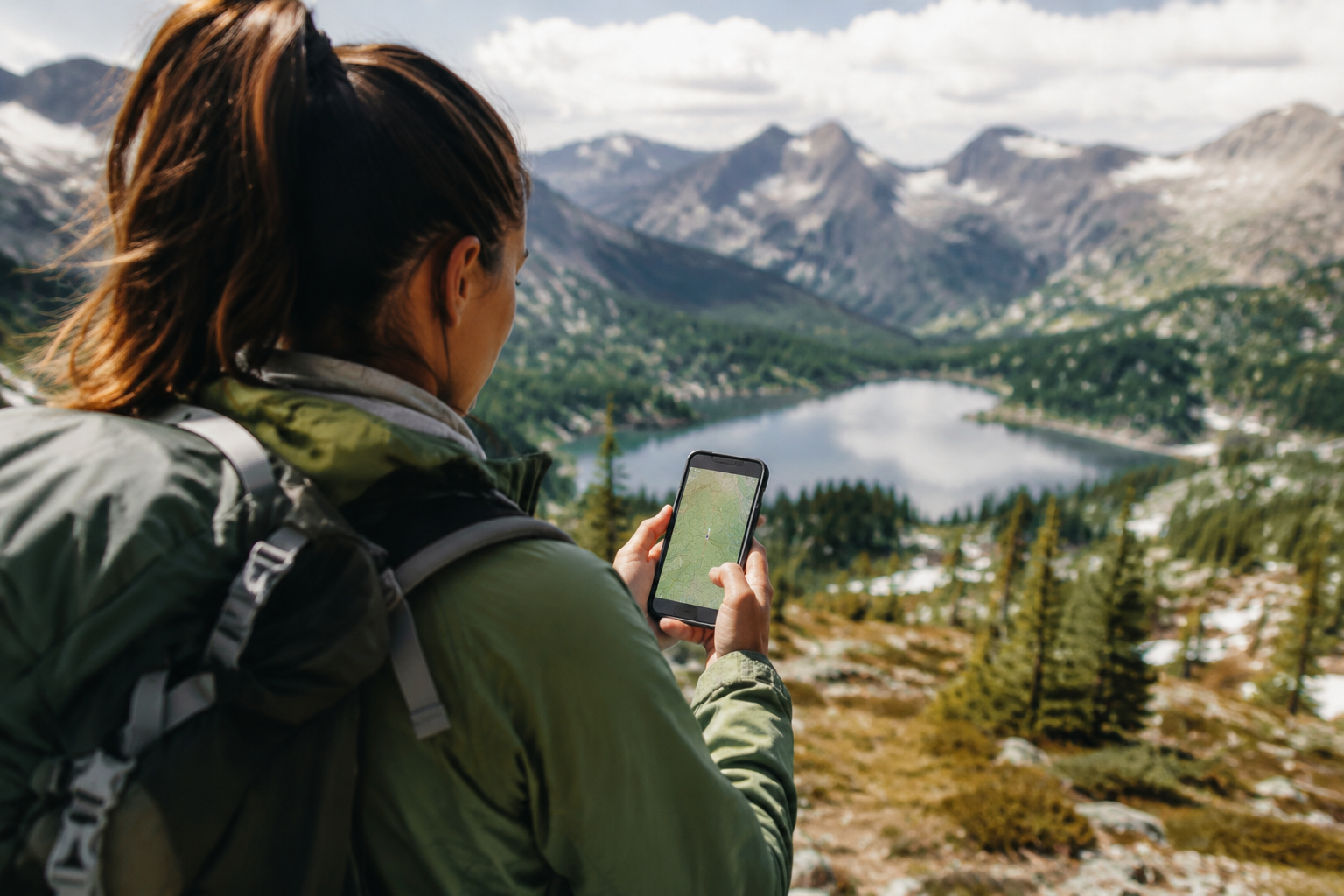
Technology and the great outdoors might seem like opposites, but a wave of apps and digital tools is changing how Americans plan, navigate and enjoy time in nature — often making the outdoors more accessible than ever.
Smarter Trip Planning
Gone are the days of relying solely on paper maps and guidebooks. Today’s outdoor enthusiasts use apps to research trails, check conditions, read recent reviews and gauge difficulty before they go. This helps travelers match adventures to their ability and avoid unpleasant surprises.
Navigation and Safety
- Offline trail maps guide hikers even without cell service.
- GPS tracking helps people stay on route and share their location.
- Weather and alert apps warn of storms, fire risk and closures.
- Satellite messengers allow emergency contact far from cell towers.
Reservations and Access
As parks adopt timed-entry and reservation systems to manage crowds, apps and websites have become essential for securing entry, campsites and permits. Planning ahead online is now part of visiting many popular destinations.
Connecting With Nature
Other apps deepen the experience itself. Identification tools can name a plant, bird or constellation from a photo or your location. Stargazing apps turn a dark-sky night into an astronomy lesson, and nature-journaling apps help people record what they see and contribute to citizen science.
A Note on Balance
Technology in the outdoors comes with a caveat: the goal is to enhance the experience, not replace it. Many people deliberately put their phones away to be present in nature, using tech for planning and safety while unplugging once they arrive. Used thoughtfully, these tools lower barriers to getting outside.
The Outdoors, More Accessible
From first-time hikers to seasoned campers, digital tools are helping more Americans explore public lands safely and confidently. Technology, used well, is opening the outdoors to a wider audience than ever before.