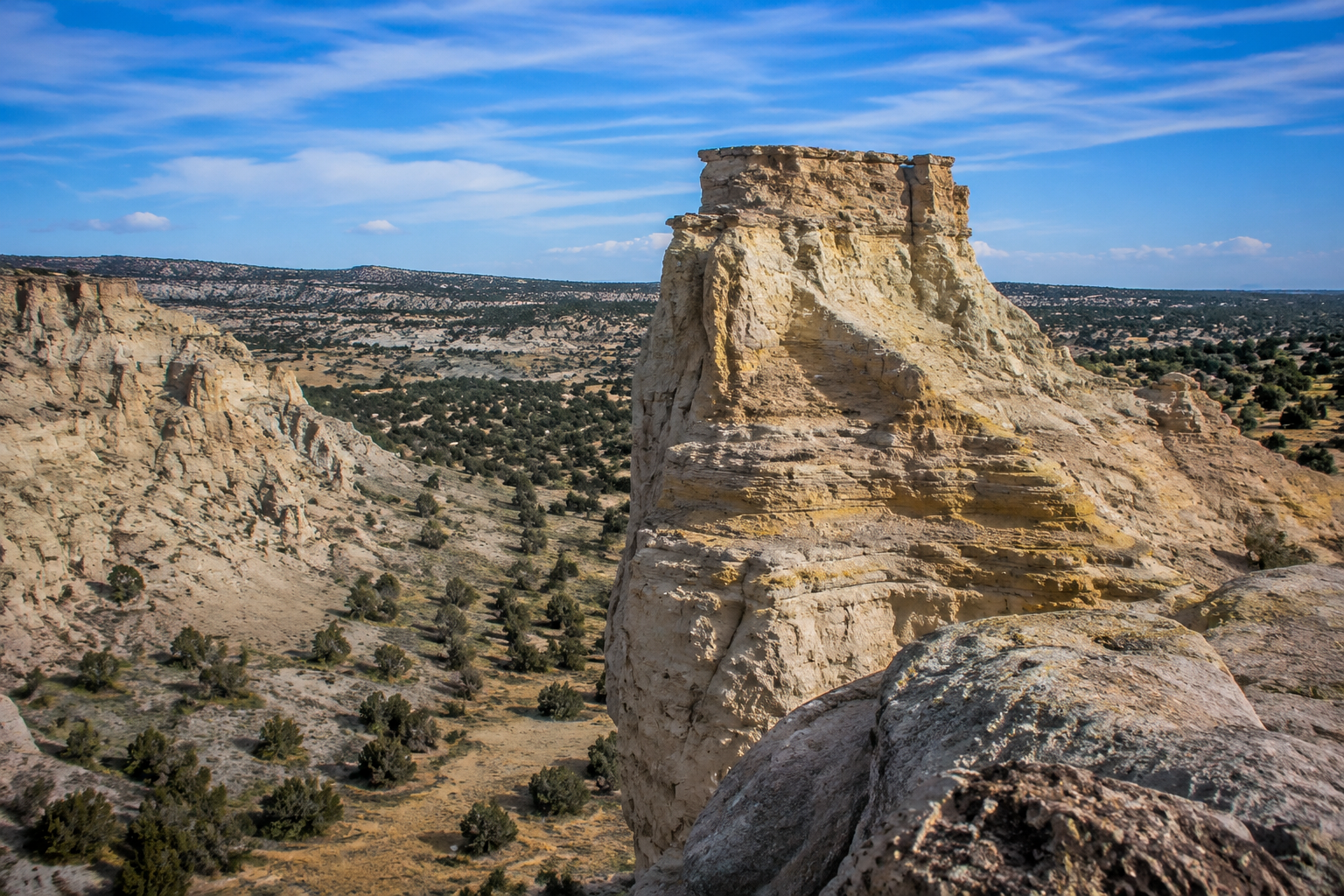
Everyone knows America’s marquee national parks, but the United States protects hundreds of other extraordinary places as national monuments — and many see a fraction of the crowds. If you want big scenery without the lines, these are worth building into a trip.
What a National Monument Is
National monuments protect areas of natural, cultural or historic significance. Some are managed by the National Park Service, others by agencies like the Bureau of Land Management or the Forest Service. The result is a wonderfully varied collection of sites, from desert canyons to ancient dwellings.
Standout Monuments
- Bears Ears and Grand Staircase-Escalante (Utah) — vast, rugged landscapes of canyons, arches and archaeology.
- Bandelier (New Mexico) — ancestral Pueblo cliff dwellings in a beautiful canyon setting.
- Craters of the Moon (Idaho) — an otherworldly volcanic landscape of lava fields and cinder cones.
- Dinosaur (Colorado/Utah) — fossils, river canyons and rock art.
- White Sands, now a national park, shows how monuments sometimes graduate to park status.
Why They Are Worth It
Beyond smaller crowds, monuments often offer the same geologic drama and cultural depth as the famous parks. Because they are less developed, they can feel wilder and more solitary — ideal for travelers who want space to themselves.
Tips for Visiting
- Research access — some monuments have limited facilities, services or paved roads.
- Carry supplies — water, fuel and food may be far away.
- Check the managing agency’s site for conditions, permits and closures.
- Tread lightly — many sites protect fragile archaeology and ecosystems.
The next time the big parks feel overwhelming, point your map toward a national monument. You may find the kind of quiet, jaw-dropping landscape that reminds you why you came.