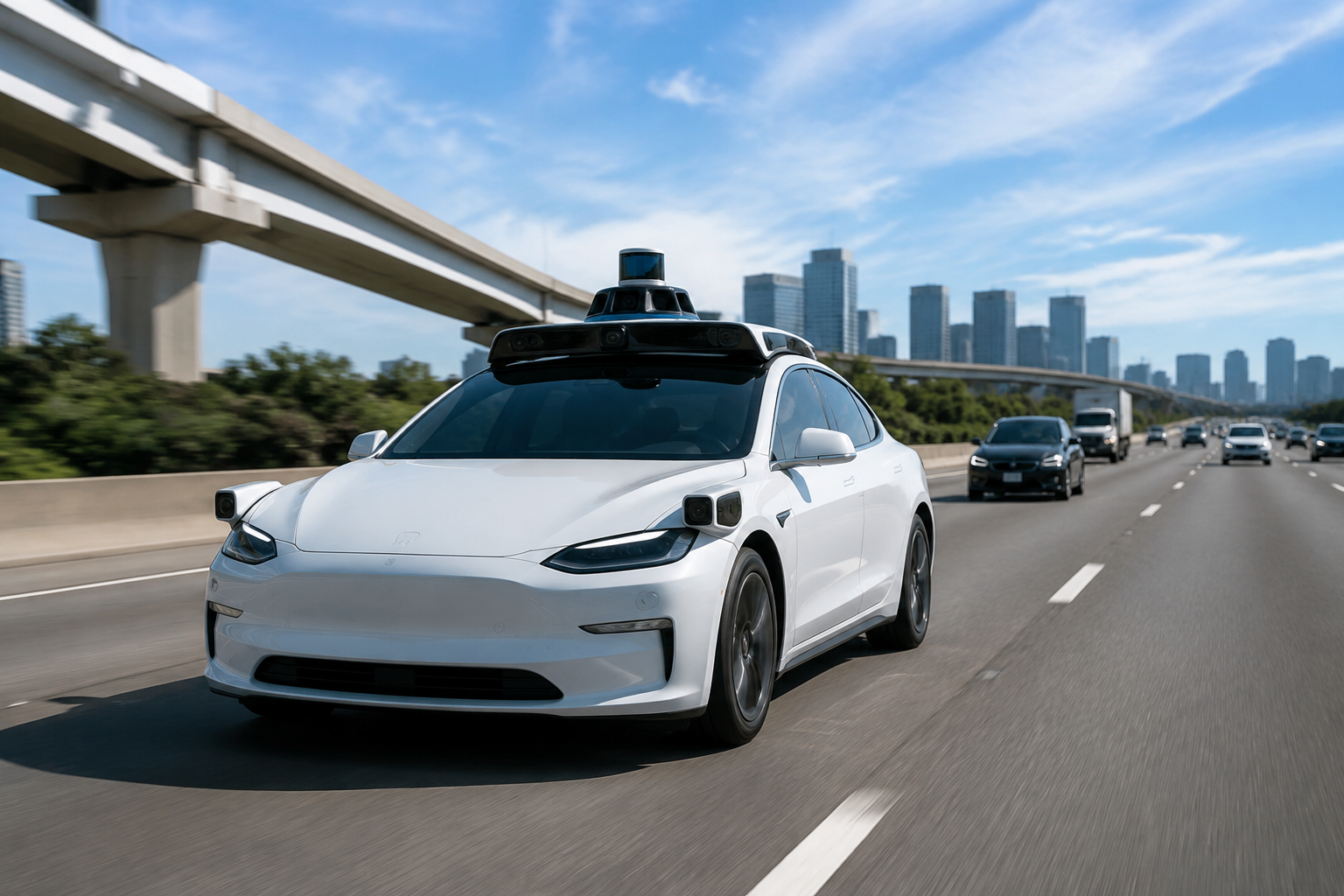
The idea of a car that drives itself has fascinated people for decades. Today, autonomous vehicles are no longer science fiction — they are being tested and even operated on public roads in parts of the United States. But the road to a driverless future is more complicated than early predictions suggested.
What “Self-Driving” Really Means
Autonomy comes in levels, from driver-assistance features like adaptive cruise control and lane-keeping to fully driverless operation. Most vehicles on the road today offer assistance features that still require an attentive human driver. True driverless operation, where no human is needed, exists only in limited settings.
Where It Is Happening
Several companies operate robotaxi services in select cities, carrying passengers without a driver in defined areas. Autonomous trucks are being tested on highways, and delivery robots navigate some sidewalks. These deployments are carefully geographically limited and closely monitored.
The Promise
- Safety — most crashes involve human error, which automation could reduce.
- Mobility — driverless vehicles could help people who cannot drive.
- Efficiency — smoother traffic flow and optimized routing.
The Hurdles
Significant challenges remain. Self-driving systems must handle endless unpredictable situations — bad weather, construction, unusual obstacles and the unpredictable behavior of human drivers and pedestrians. There are also questions of regulation, liability, public trust and the impact on driving jobs.
A Gradual Arrival
Rather than a sudden switch, autonomous driving is arriving gradually and unevenly — advanced assistance features spreading widely while fully driverless service expands city by city. The technology is real and improving, but a world of universally driverless roads remains some distance away.