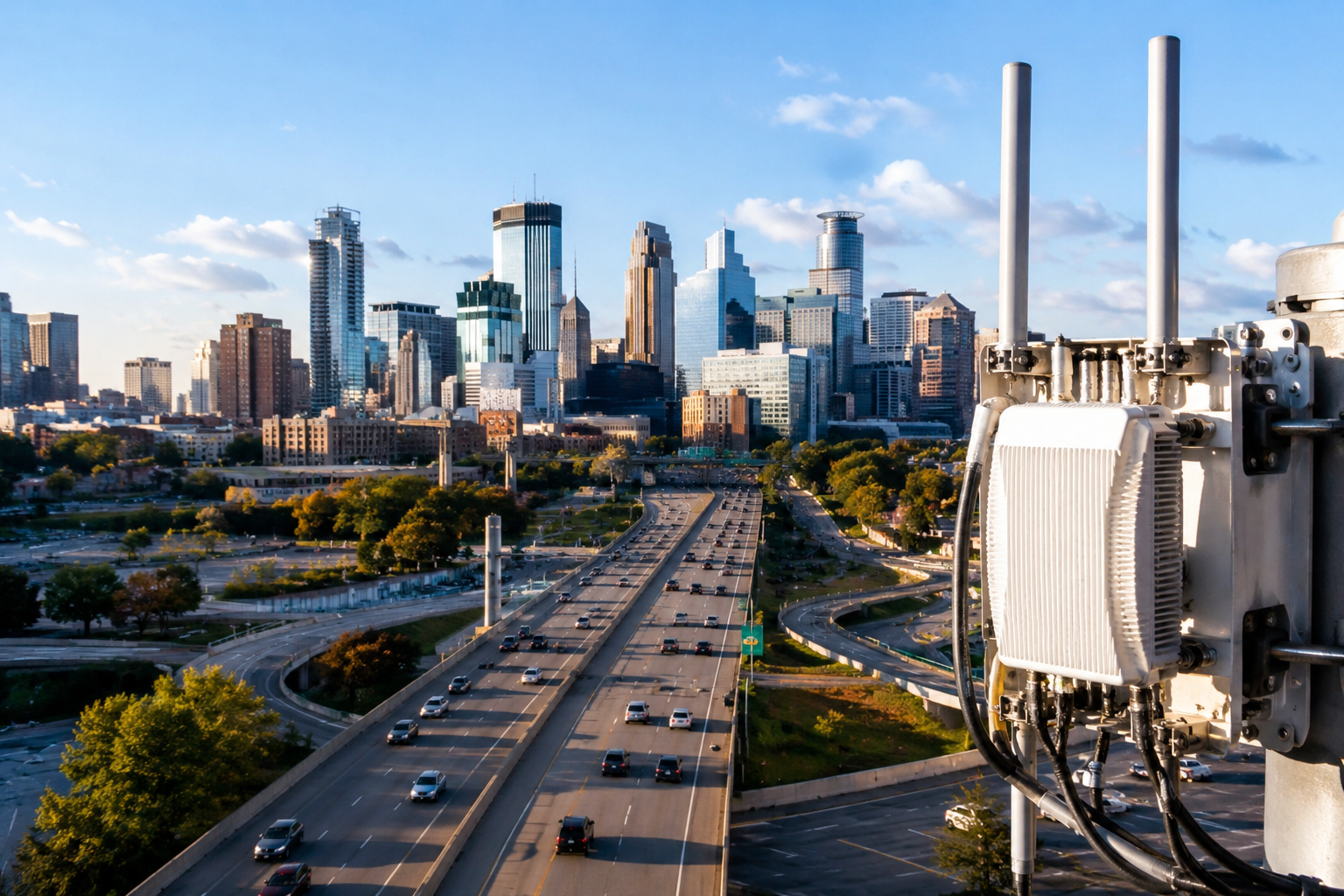
Across the United States, cities are quietly becoming smarter. Sensors, data and connected systems are being woven into streets, utilities and public services in an effort to make urban life more efficient, sustainable and responsive. This is the “smart city” movement, and it is reshaping how American cities operate.
What Makes a City “Smart”
A smart city uses technology and data to improve services and quality of life. That can mean traffic signals that adapt to real-time congestion, streetlights that dim when no one is around, water systems that detect leaks automatically, or apps that let residents report potholes and track city services.
Real-World Examples
- Adaptive traffic management uses sensors and cameras to ease congestion and improve safety.
- Smart utility meters help households and cities track energy and water use.
- Connected public transit provides real-time arrival data and smarter routing.
- Environmental sensors monitor air quality and noise across neighborhoods.
The Benefits
When done well, smart city technology can reduce energy use, cut commute times, speed up emergency response and make government more transparent. Data helps officials spot problems earlier and allocate resources where they are needed most.
The Concerns
Smart cities also raise real questions. Collecting data about residents’ movements and habits brings privacy concerns, and cities must guard against cyberattacks on critical systems. There are also equity questions: technology investments should benefit all neighborhoods, not just wealthy ones. The best programs build in privacy protections and community input from the start.
The Road Ahead
Smart city technology is still maturing, and cities are learning what works. The most successful efforts treat technology as a tool in service of people — not an end in itself. As these systems spread, the goal is cities that are not just more connected, but more livable for everyone.