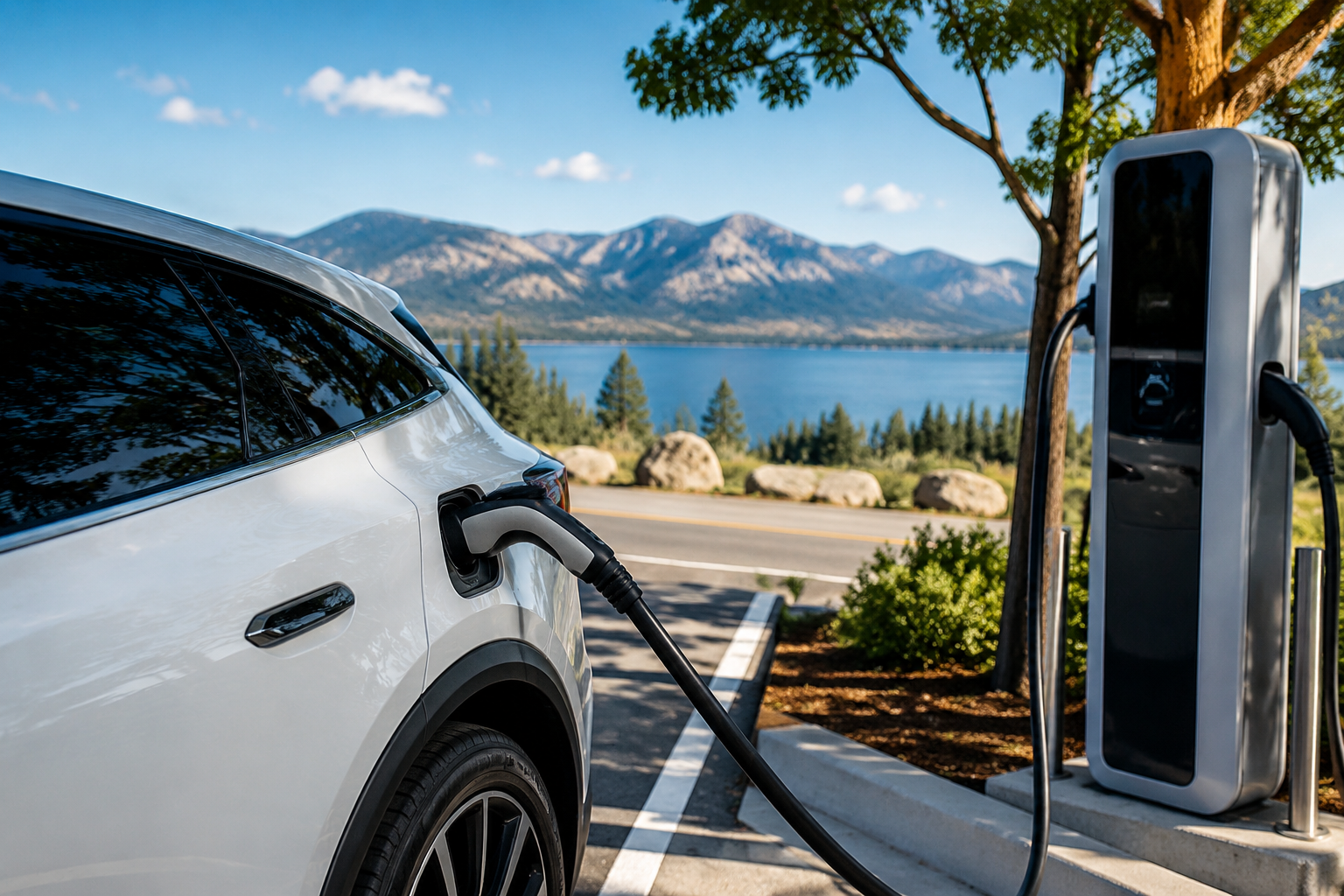
The great American road trip is going electric. As electric vehicles (EVs) become more common, a rapidly expanding network of charging stations is changing how Americans plan long drives — and opening the open road to a new generation of travelers.
The Growing Charging Network
A few years ago, driving an EV across the country required careful planning and a tolerance for uncertainty. Today, fast-charging stations are spreading along major highways, in cities and at travel stops, supported by both private companies and public investment. Charging corridors now connect many popular routes, making long-distance EV travel far more practical.
How EV Road Trips Differ
Traveling by EV changes the rhythm of a road trip. Instead of quick gas stops, drivers plan around charging sessions that typically take 20 to 45 minutes at a fast charger — about the time for a meal or a break. Many travelers find this enforced pause a pleasant change of pace, though it requires planning around charger locations.
Planning Tips
- Map charging stops in advance using route-planning apps built for EVs.
- Have backup stations in case one is busy or out of service.
- Understand charging speeds — not all stations or vehicles charge at the same rate.
- Account for weather and terrain, which affect range, especially in cold or mountainous areas.
Challenges That Remain
The network is not yet complete. Rural areas and some regions still have charging gaps, station reliability varies, and waiting in line at a busy charger can happen during peak travel times. These are the growing pains of a system expanding quickly.
The Road Ahead
As charging becomes faster, more reliable and more widespread, the EV road trip is moving from novelty to norm. For travelers, it means the freedom of the open road with a quieter ride, lower fuel costs and a smaller environmental footprint.