10 Fun Facts About Hawaii, America’s Island Paradise
A growing island, the only royal palace in the U.S., and an alphabet of just 13 letters — surprising facts about Hawaii.

A growing island, the only royal palace in the U.S., and an alphabet of just 13 letters — surprising facts about Hawaii.
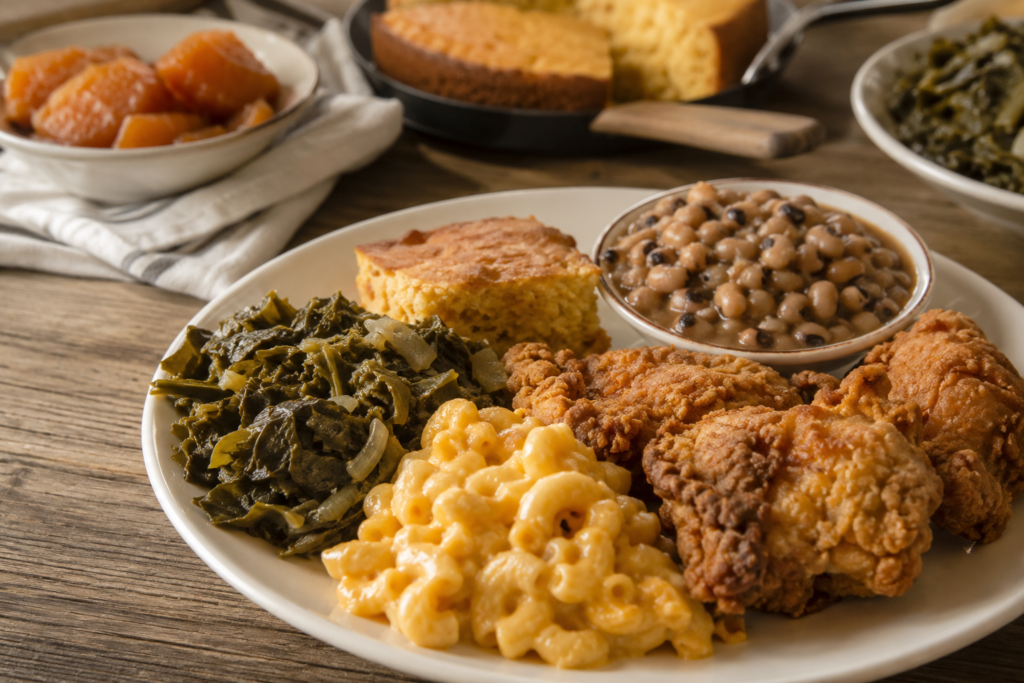
Fried chicken, collard greens and cornbread tell a deep American story. The roots and meaning of soul food.

A 2.5-mile red line links 16 sites where the American Revolution began. A guide to Boston’s Freedom Trail.
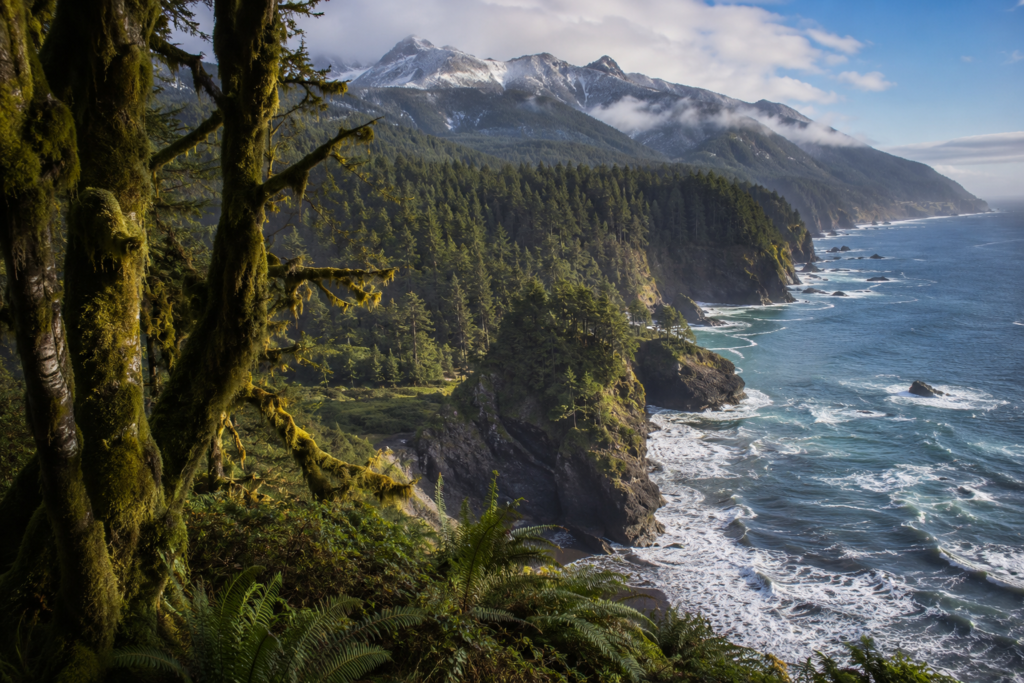
Three ecosystems in one park — temperate rainforest, glaciated peaks and rugged Pacific beaches in Washington State.
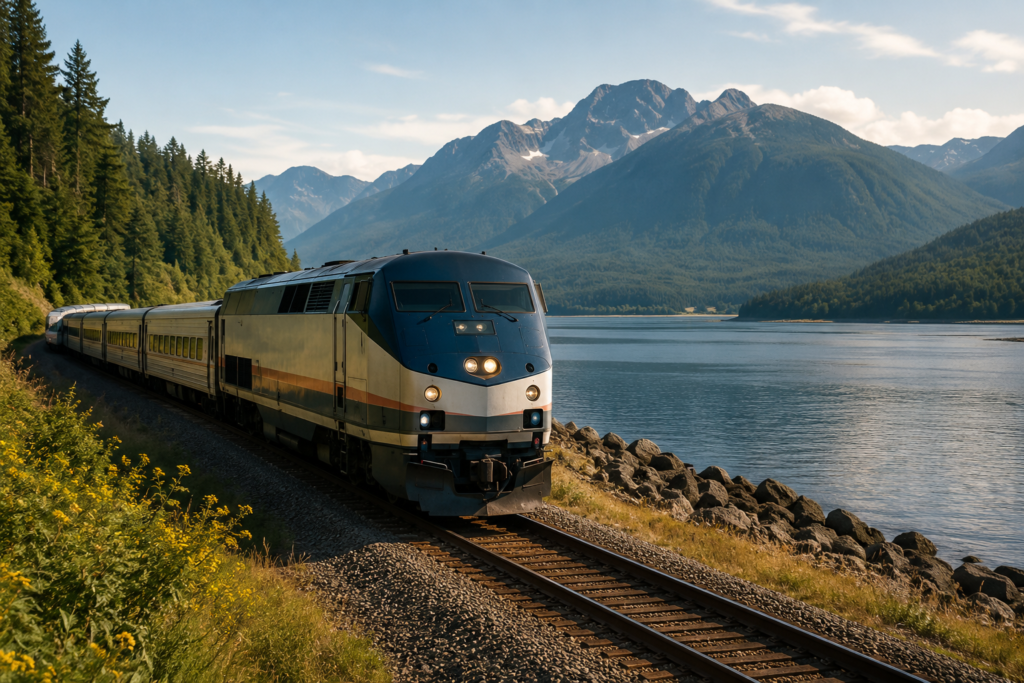
New investment and routes are bringing renewed attention to train travel across the United States. What riders should know.
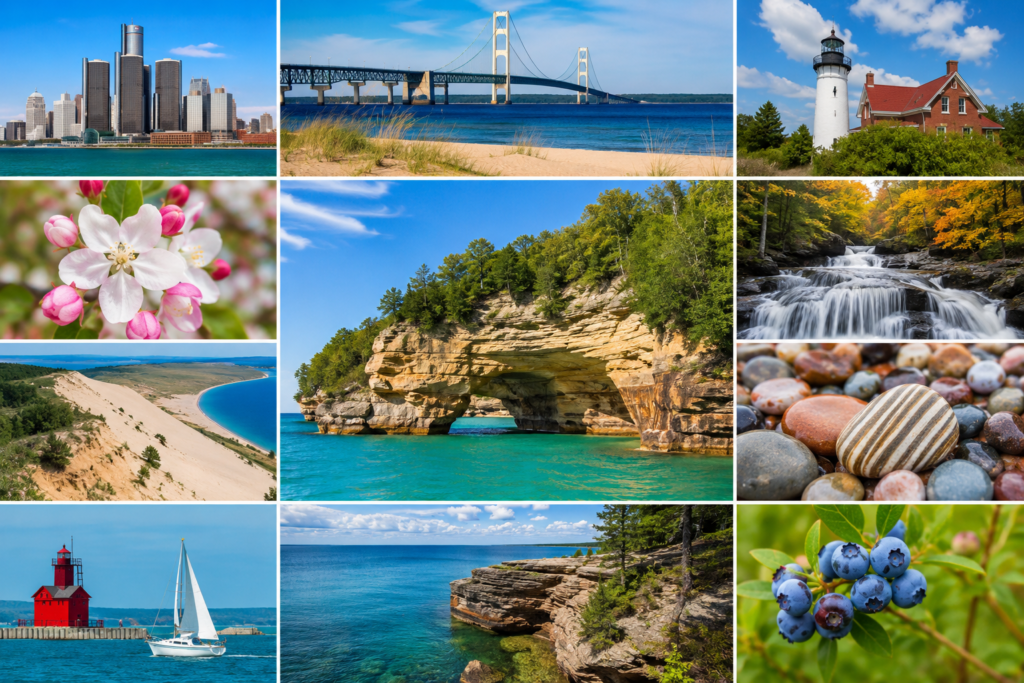
Two peninsulas, more freshwater coastline than any state, and a hand-shaped map — surprising facts about Michigan.
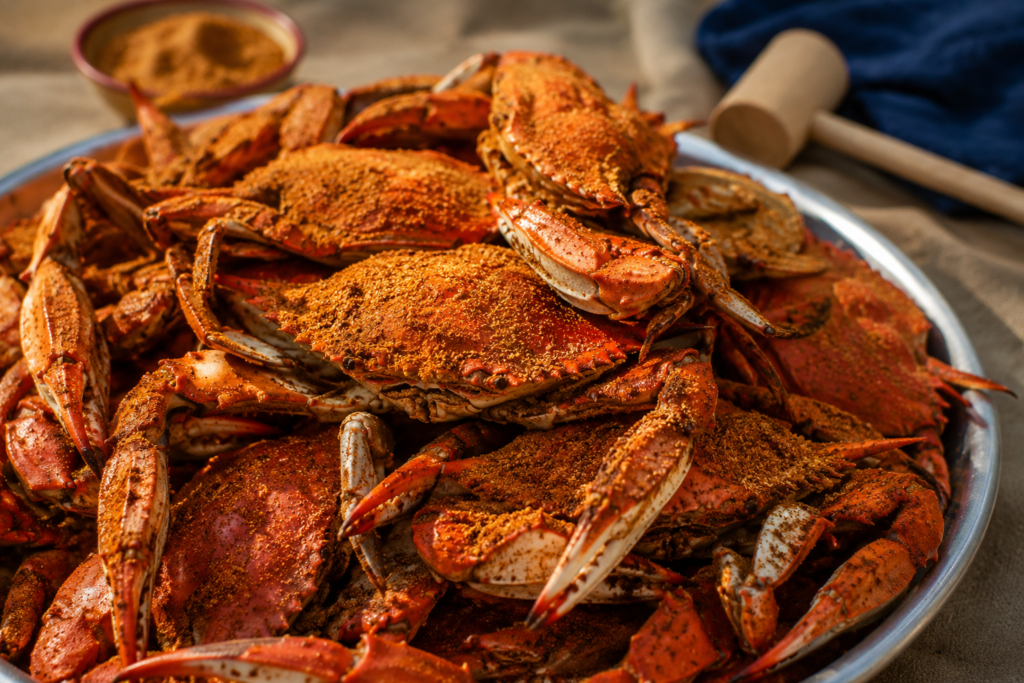
Steamed crabs dumped on a paper-covered table are a Chesapeake summer tradition. A guide to Maryland’s crab culture.
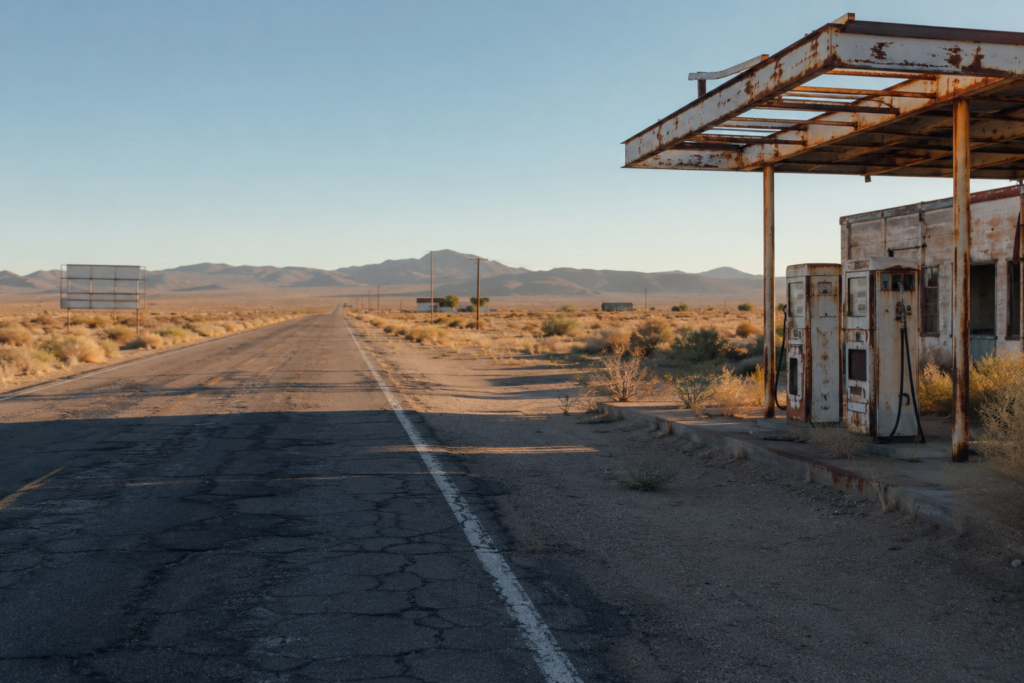
From Chicago to Santa Monica, Route 66 carried generations west before the interstates left it behind. A look at its legend.
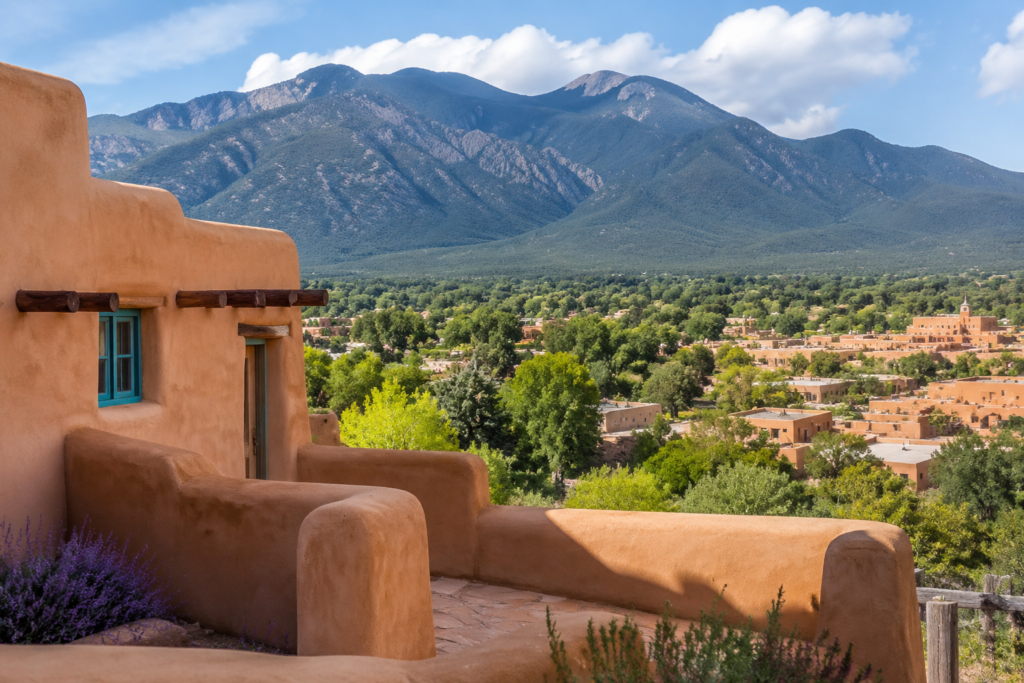
Centuries of culture, high-desert light and world-class art — exploring Santa Fe, Taos and the High Road between them.
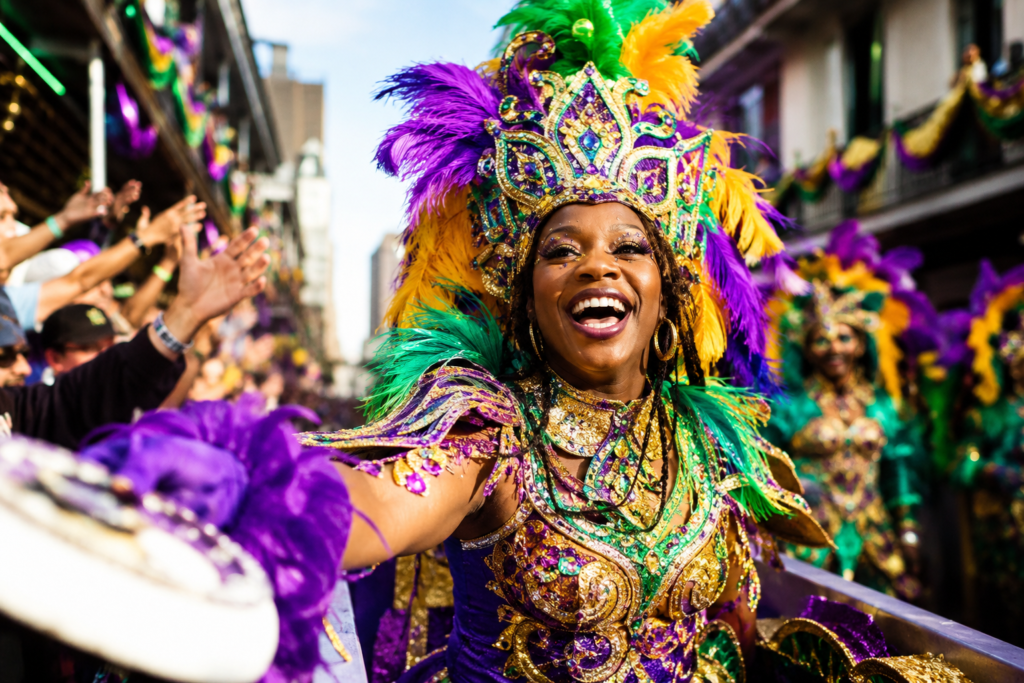
New Orleans is famous for Mardi Gras, but Carnival traditions thrive in several American cities. A festive guide.