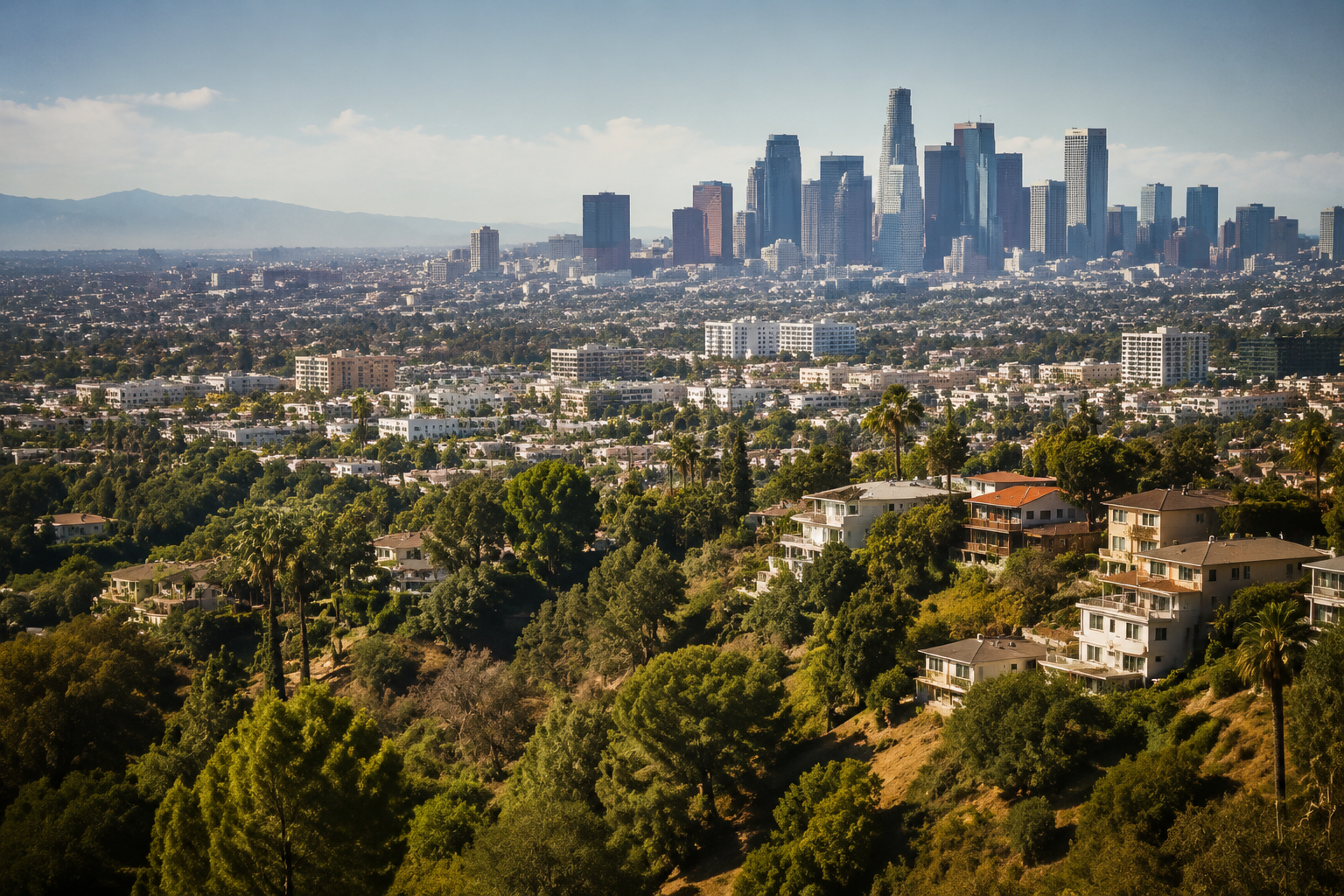
In 1848, California was a sparsely populated frontier newly transferred from Mexico to the United States. Within a few generations it became the most populous state in the country, home to nearly 40 million people and one of the largest economies in the world. The transformation was driven by a series of booms, each pulling in new waves of people.
The Gold Rush
Everything changed when gold was discovered at Sutter’s Mill in 1848. The news triggered the California Gold Rush, and by 1849 tens of thousands of “forty-niners” were pouring in from across the country and around the world. San Francisco grew from a small settlement into a booming port almost overnight, and California was admitted as a state in 1850, far faster than its population would otherwise have warranted.
Railroads and Agriculture
The completion of the transcontinental railroad in 1869 connected California to the eastern markets and made it possible to ship goods and people across the continent. The state’s fertile Central Valley, with its long growing season and irrigation, became one of the most productive agricultural regions on earth — and farm labor drew migrants from many nations.
Oil, Movies and Aviation
The early 20th century brought new industries. Southern California oil fields fueled growth around Los Angeles. The film industry settled in Hollywood for its reliable sunshine and varied scenery, creating a global cultural powerhouse. During and after World War II, aviation and defense manufacturing boomed, bringing millions of workers and their families west.
The Postwar Surge and Silicon Valley
After the war, California’s population exploded as suburbs spread and the promise of opportunity and good weather drew migrants from other states. Later, the rise of the technology industry in the area south of San Francisco — Silicon Valley — created enormous wealth and another magnet for talent from around the world, cementing California’s role at the center of the global economy.
A State of Many Californias
Today California is less a single place than a collection of regions: the coastal cities, the agricultural valleys, the deserts, the mountains and the forests of the north. Its growth has brought challenges too — housing costs, water management and wildfire among them. But the underlying story remains one of people arriving in search of opportunity, just as they did in 1849.
Why It Matters
California’s rise reshaped the United States, shifting economic and cultural power toward the West Coast and turning a remote frontier into a place that influences how the rest of the world eats, works and entertains itself. Understanding how it grew is, in many ways, understanding modern America.