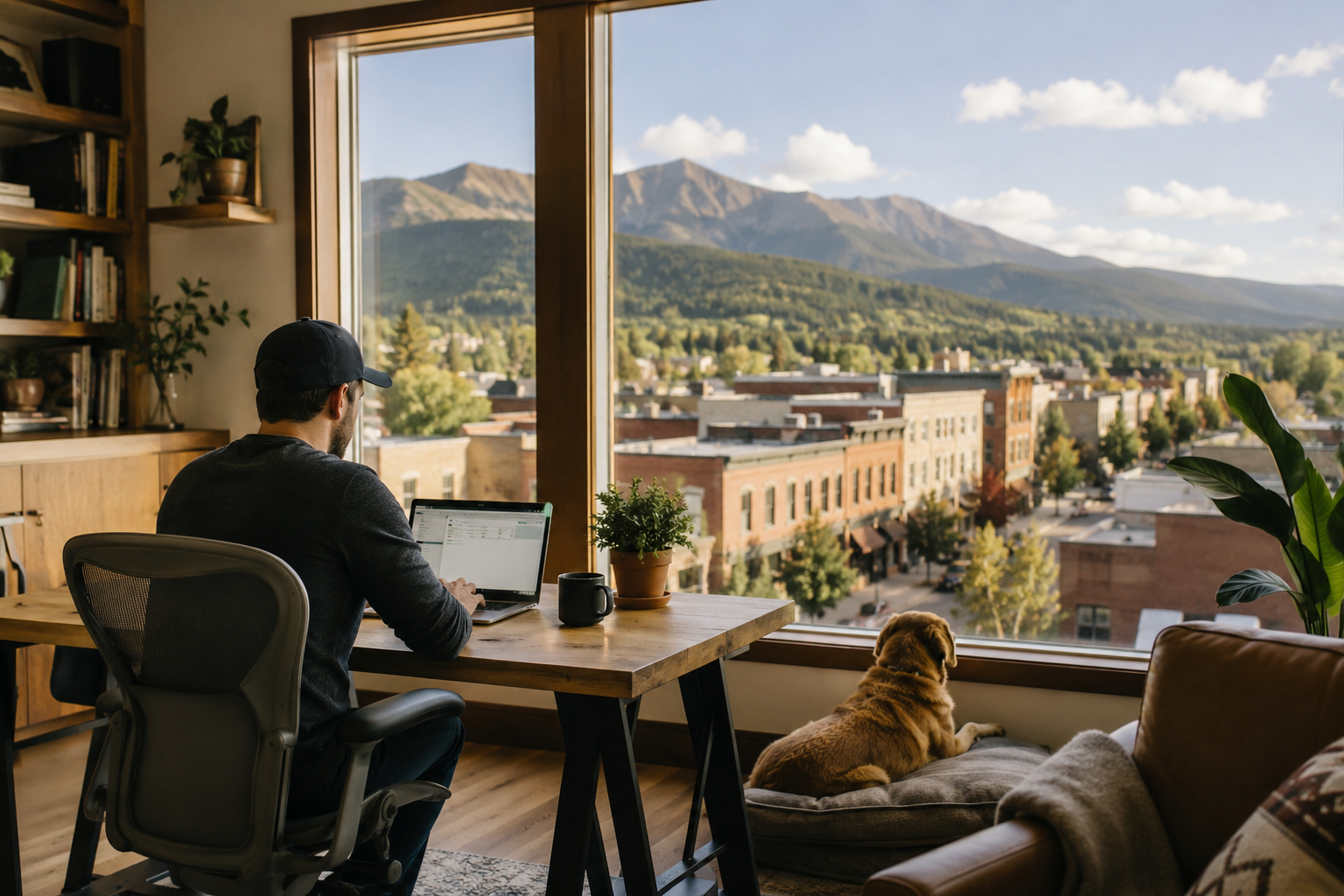
The growth of remote and hybrid work has changed not just how Americans work but where they choose to live. Freed from a daily commute, many people have moved away from the most expensive coastal cities toward smaller, more affordable places — reshaping communities across the country.
A Shift in Migration
In recent years, states in the Mountain West, the Sun Belt and parts of the South have attracted new residents drawn by lower costs, more space and access to the outdoors. Cities such as Boise, Austin, Nashville, Raleigh and Salt Lake City have grown rapidly, along with many smaller towns.
The Appeal
The draws are familiar: more affordable housing, lower taxes in some states, proximity to nature, and a slower pace of life. For remote workers earning big-city salaries, smaller markets can offer a higher standard of living.
The Challenges
Rapid growth brings strain. Popular destination towns have seen housing prices rise sharply, sometimes pricing out longtime residents. Infrastructure, schools and services can struggle to keep pace, and questions about water and resources loom in arid regions. Communities are grappling with how to grow while preserving the character that attracted people in the first place.
Outdoor Towns in Demand
Mountain and recreation towns — from Montana to Colorado to the Carolinas — have been especially sought after, as remote workers seek access to trails, rivers and ski slopes. This has intensified debates about affordability and the balance between tourism, local life and newcomers.
What It Means
Whether the shift proves lasting depends partly on the future of workplace policies, but the trend has already left a mark. Many smaller American cities are investing in downtowns, broadband and amenities to attract and retain residents.
For anyone considering a move, the lesson is to research not just the appeal of a place but its housing market, services and long-term outlook — the new boomtowns offer opportunity, but also growing pains.